
When you’re getting ready to sell, it’s easy to feel like your home needs a full makeover first. New carpet, fresh paint, replacement windows, maybe even a new kitchen, and suddenly you’re staring at a long list of jobs, big costs, and weeks of disruption.
But not every seller needs to go down that route. In many cases, the smartest move is to sell your home “as is”. That means putting it on the market in its current condition, without committing to a long list of repairs or upgrades before you move.
Selling as is can be a great option if you want a quicker sale, you’re working to a tight budget, or the home is likely to be renovated by the next owner anyway. The key is understanding what “as is” really means, and knowing which improvements are worth your time, and which aren’t.
Related: Budget 2025: What landlords and homeowners need to know
What does selling “as is” mean?
Selling as is simply means you’re presenting the property in its existing condition. You’re not promising to replace tired fittings, update decor, or fix cosmetic flaws before completion. Buyers view the home as it stands, and the asking price reflects that condition.
It’s important to say that selling as is doesn’t remove your legal responsibilities. You still need to be honest when completing property forms, and you can’t hide known issues. Surveys will still happen, and serious faults may still be raised. The distinction is that you’re not trying to pre-empt everything with a big renovation budget.
This approach is especially common with older properties, inherited homes, rentals between tenancies, or situations where a seller needs to move quickly and doesn’t want to invest more money into a home they’re leaving.
What not to fix before you sell
The biggest mistake sellers make is spending money on improvements that won’t increase the final sale price. Buyers are already mentally planning changes, and many would rather pay slightly less and do the work themselves than pay extra for upgrades they didn’t choose.
That’s why it’s usually best to avoid fixing small cosmetic issues like hairline cracks, scuffed skirting boards, dated units, or minor DIY imperfections. A property doesn’t need to be perfect to sell, it needs to feel looked after, realistic for the price, and easy for a buyer to imagine living in. Unless something is unsafe or actively putting buyers off, it often makes more sense to leave it be.
Related: Documents needed to sell a house
Should you paint before selling?
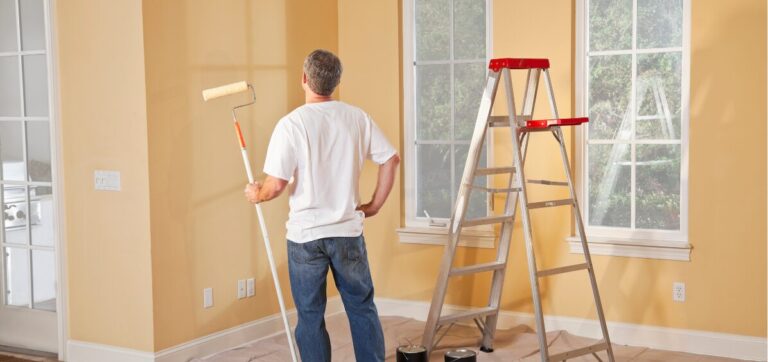
Painting sits in the middle ground. Some homes genuinely benefit from a quick refresh, while others don’t need it at all.
If your walls are heavily marked, stained, or patchy, a simple repaint can make rooms feel brighter and cleaner. The same applies if you’ve got very bold colours that make spaces feel smaller or darker, or if there are obvious signs of nicotine or pet staining. In those cases, paint is a relatively low-cost fix that helps first impressions.
However, if the decor is just a bit tired but clean, or if the next owner is likely to redecorate anyway, repainting the whole property isn’t usually worth it. You wouldn’t want to spend days painting only for a buyer to rip it out the moment they move in.
If you do paint, keep it neutral and light. The goal is not to show off your personal taste, but to give buyers a calm, easy blank canvas.
Should you replace carpet?
In most as-is sales, replacing carpet isn’t necessary. Buyers often change flooring as a matter of course, so spending money on brand new carpet can be one of the least effective upgrades you make.
That said, there are exceptions. If the carpet is torn, badly stained, unpleasantly smelly, or making the home look neglected, it can drag the whole viewing experience down. In those cases, replacing carpet in the worst area, such as a hallway or living room might be worth it, even if you don’t do the entire house.
If the carpet is simply old or dated but clean and intact, a professional deep clean is normally enough.
What about replacing flooring?
The same thinking applies to hard flooring. If the floors are functional and safe, most buyers will accept scratches, wear, or an outdated finish, especially if the price reflects the condition.
Flooring becomes an issue only when it suggests bigger problems. Warped boards, lifting laminate, cracked tiles throughout, or soft spots underfoot can make buyers nervous about damp or structural defects. If you’ve got those kinds of red-flag issues, fixing them can prevent price reductions later after survey.
But if it’s mainly cosmetic wear, it’s rarely money well spent.
Related: Home Selling Checklist: Everything You Need to Do Before Listing
Should you replace windows before selling?
Generally, no. New windows are expensive, and most buyers won’t pay you back for the full cost in the sale price. Many will also want to choose their own style and glazing type when they renovate.
The only time window replacement really makes sense is when the existing ones are clearly failing in a way that affects the viewing or raises serious concerns. Broken panes, rotting frames, windows that won’t open properly, or heavy condensation trapped between panes can all cause buyers to worry. Fixing or replacing those specific problem windows can be worthwhile.
If your windows are simply older, but still working, focus on smaller wins such as cleaning them thoroughly, fixing handles or latches, and making sure they look cared for.
What is worth doing, even in an as-is sale?
Selling as is doesn’t mean doing nothing. The most effective improvements are usually the simplest ones, because they improve how the home feels without adding major cost.
A deep clean makes a bigger difference than most renovations. Decluttering helps rooms look larger and brighter. Sorting obvious safety issues, such as loose steps, broken rails, or exposed wiring protects the sale from falling apart later. And tackling visible damp or mould is important, because buyers will always assume the worst if they see it.
Think of it like this: you’re not upgrading the home, you’re removing friction from the sale.
The bottom line
If you’re not sure what’s worth fixing or what you can confidently leave, we are here to help. Our local experts can assess your property, explain how its condition affects value in today’s market, and recommend only the improvements that will genuinely strengthen your sale. Get in touch with Lovelle for straightforward, area-specific advice and a clear plan to sell at the right price, without spending more than you need to.