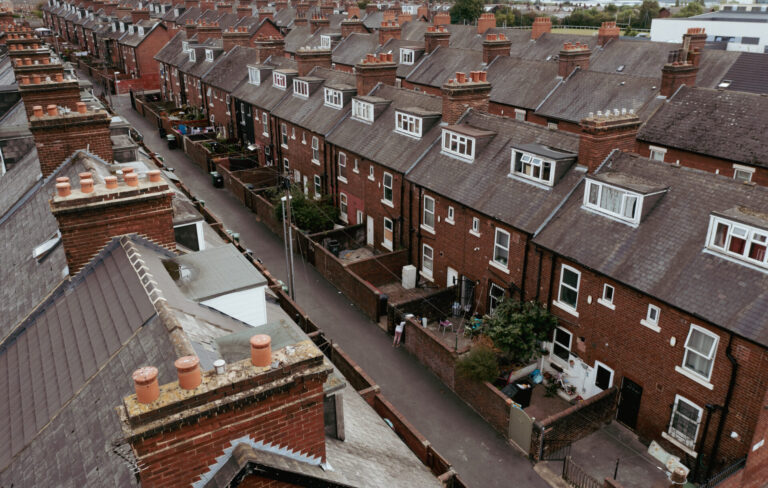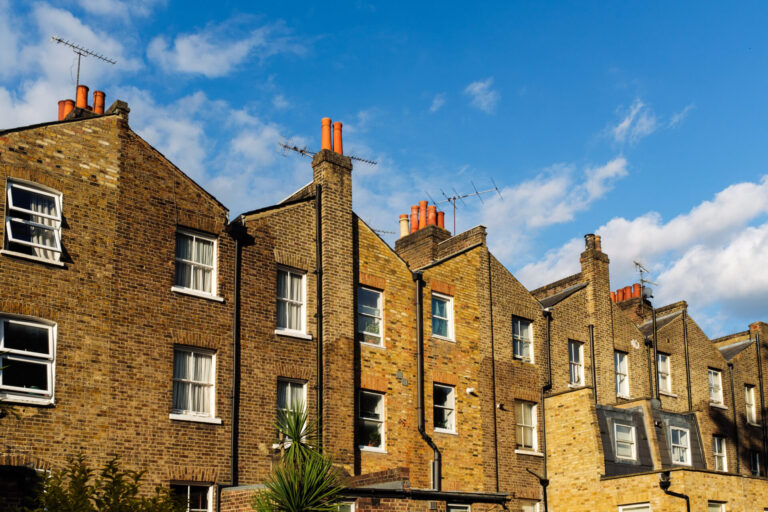


Older homes have plenty of character, from sash windows to original fireplaces. That age can also let moisture build up inside. Damp and mould responsibilities for landlords are easier to handle once you know where the water is coming from and why.
Good landlord property maintenance starts before anything goes wrong. A few small checks can stop a damp patch from becoming a big repair bill. They also protect your tenants, because mould can affect their breathing and health. Tenants who feel looked after are more likely to stay.
Related: The biggest compliance mistakes landlords make under new rental laws
Three types of moisture, three different fixes
Each type starts in a different place. Knowing which one you have points you to the right repair.
1. Condensation begins with daily life
Cooking, showers, and drying clothes all put water into the air. When that warm, wet air touches a cold wall or window, it turns back into water drops. It shows up most in winter. Look behind wardrobes, inside cupboards, and in corners where the air stays still.
2. Penetrating damp travels in from outside
Rain can find a way through cracked walls, loose roof tiles, or overflowing gutters. A damp patch tends to grow after heavy rain and may feel cold to touch. It usually shows up close to the gap, although water can travel some distance first.
3. Rising damp comes up from the ground
Ground moisture can creep up through walls unless a barrier stops it. This layer is called a damp-proof course. In older homes, it may be broken, buried, or missing. A stained line low on the wall is a common clue. A damp specialist can confirm the cause.
Why older homes need a closer eye
Builders once used materials that handle water differently from modern ones. Those choices still shape how these homes stay dry.
Walls that were built to breathe
Soft lime mortar lets old brickwork soak up water and dry out again. Many older homes also have outside walls made of one thick layer instead of two thin ones. With no air space inside, the inner face tends to stay colder. Condensation and mould like to settle there.
Modern updates can trap water
Some modern changes can stop old walls from drying. Cement coatings and sealing paints are two examples. Blocked-up fireplaces, covered air bricks, and windows without built-in vents can hold moisture inside too. Before any upgrade, check that it suits the age of the building.
Related: Reducing void periods in autumn: practical tips for landlords
Spotting trouble before it spreads
Damp tends to start where people rarely look. A walk around every room at each inspection helps you catch it early.
Warning signs worth noting
- Rooms smell musty, even after the windows are opened.
- Black spots appear on ceilings, sills, or bathroom seals.
- Wallpaper peels or paint bubbles on walls facing outside.
- White, salty powder forms on the surface of walls.
- Skirting boards rot or plaster feels soft and crumbly.
Lifestyle or building defect?
Once you spot a sign, the next step is finding its cause. Some damp comes from how people use the home. Other damp comes from a fault in the building. Getting this right helps keep conversations with your tenant fair.
When everyday living is the cause
Lifestyle damp usually shows up in several rooms at once. It often eases when tenants open windows, run extractor fans, and keep the heating on low. A friendly chat can help. Making sure the home has good airflow and heating is still your job.
When the building is the cause
Does the damp match the signs of penetrating or rising damp? Is there a leak nearby? If so, the building is the likely cause, and the repair falls to you. Blaming the tenant too soon can damage trust while the problem grows.
Related: How landlord-tenant communication shapes the future of successful tenancies
Staying ahead of damp all year
Inspections spot problems, while regular upkeep helps prevent them. A yearly maintenance check also gives you a clear record of your work.
Small jobs that protect the building
Clear gutters every autumn. Inside, look under sinks, around baths, and near the boiler for slow leaks. In the loft, make sure insulation leaves the air gaps at the roof edge open. Poor airflow up there can cause damp on the roof timbers.
What the law expects from you
Keeping on top of these jobs also helps you meet your legal duties. Landlords must keep a home’s structure and outside in repair, and the home must be fit to live in throughout the tenancy. Serious damp and mould can make a property unfit, so a quick response to any report matters.
Those duties are also getting stronger. The main reforms in the Renters’ Rights Act came into force on 1 May 2026, and the Act gives the government the power to extend Awaab’s Law to private rentals. Social landlords already follow Awaab’s Law, which sets legal deadlines for investigating and fixing damp and mould. The government is now consulting on how these deadlines should apply to private landlords, and that consultation closes on 18 December 2026. Keeping dated records of every report, inspection, and repair now will put you in a strong position whatever the final rules look like.
Keep your older rental dry, safe, and in demand
Damp in an older home will not fix itself, but its cause can usually be found. Once you know whether you are dealing with condensation, penetrating damp, or rising damp, the right repair becomes much clearer. Regular checks, quick replies to tenant reports, and repairs that suit the building’s age all help keep a small problem small.
At Lovelle, we help landlords look after older homes with practical, local advice, from spotting early signs of damp to keeping up with changing rules. A dry, well-kept home is easier to let and tends to hold its rental value. Request a free rental valuation to see what your property could achieve.